
About the Department
Overview
Vision
Mission
Programmes Offered
Click a programme to view details, outcomes, syllabus, and more.
Department Faculty
Meet the educators and researchers guiding our department.
Dr. Chandra Prabha M. N.
Head of DepartmentProfessor
Dr. Abhijith S.R
Assistant Professor (Senior Scale)
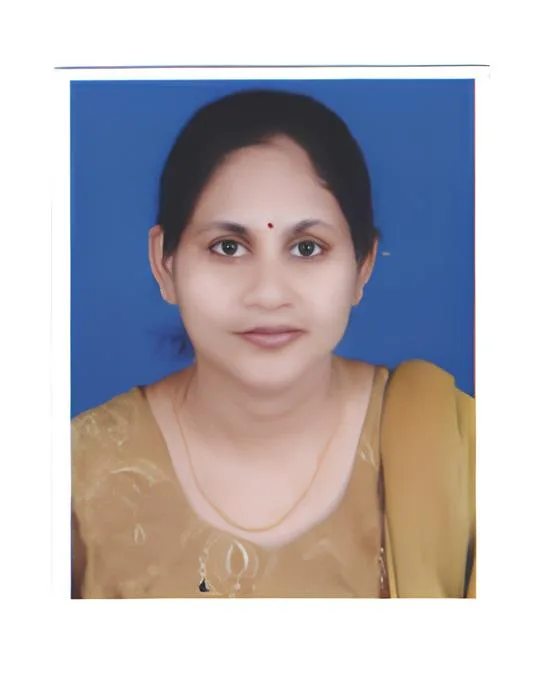
Dr. BINDU S
Professor
Dr. M. Gokulakrishnan
Assistant Professor

Dr. P. Dhamodhar
Associate Professor
Dr. Roshni Ramachandran
Assistant Professor
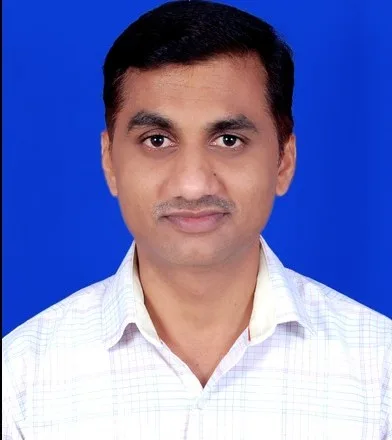
Dr. T P Krishna Murthy
Assistant Professor

Lokesh K N
Associate Professor
Monika Prakash
Assistant Professor
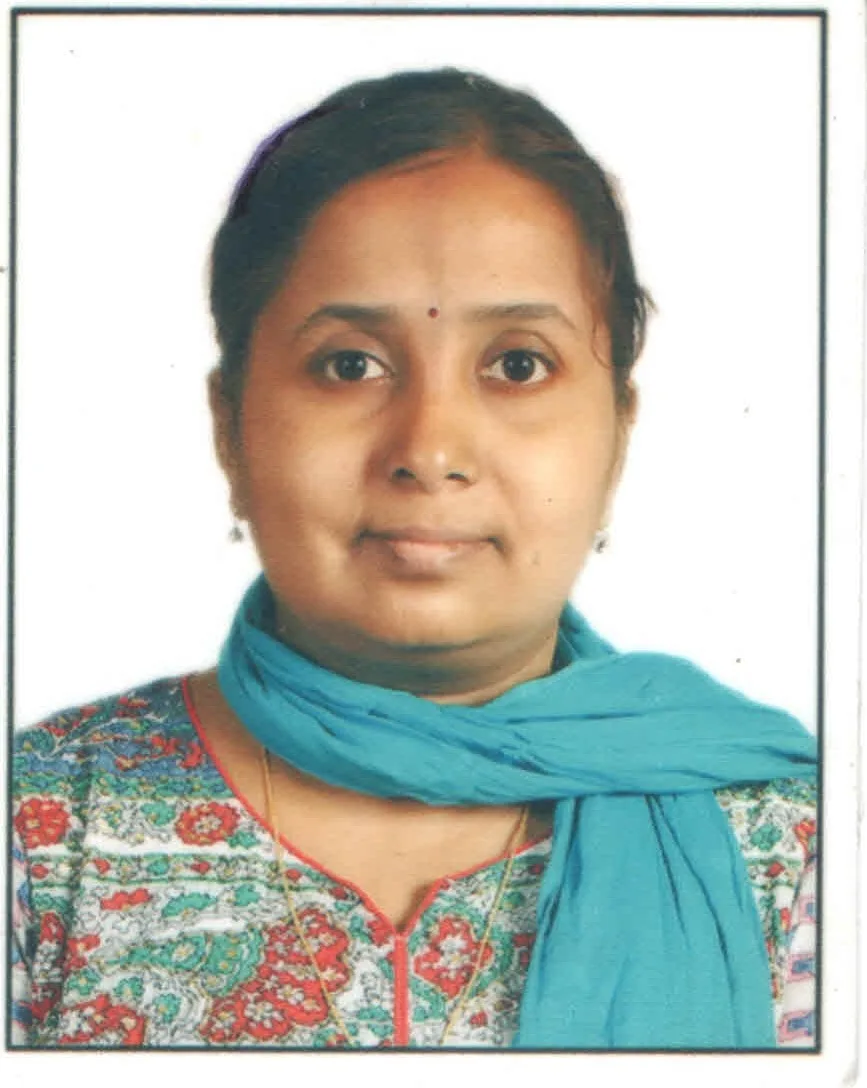
Dr. Prabha M.
Associate Professor
Dr. Ravikumar Y S
Associate Professor

Dr. Samrat K
Assistant Professor
Labs & Infrastructure
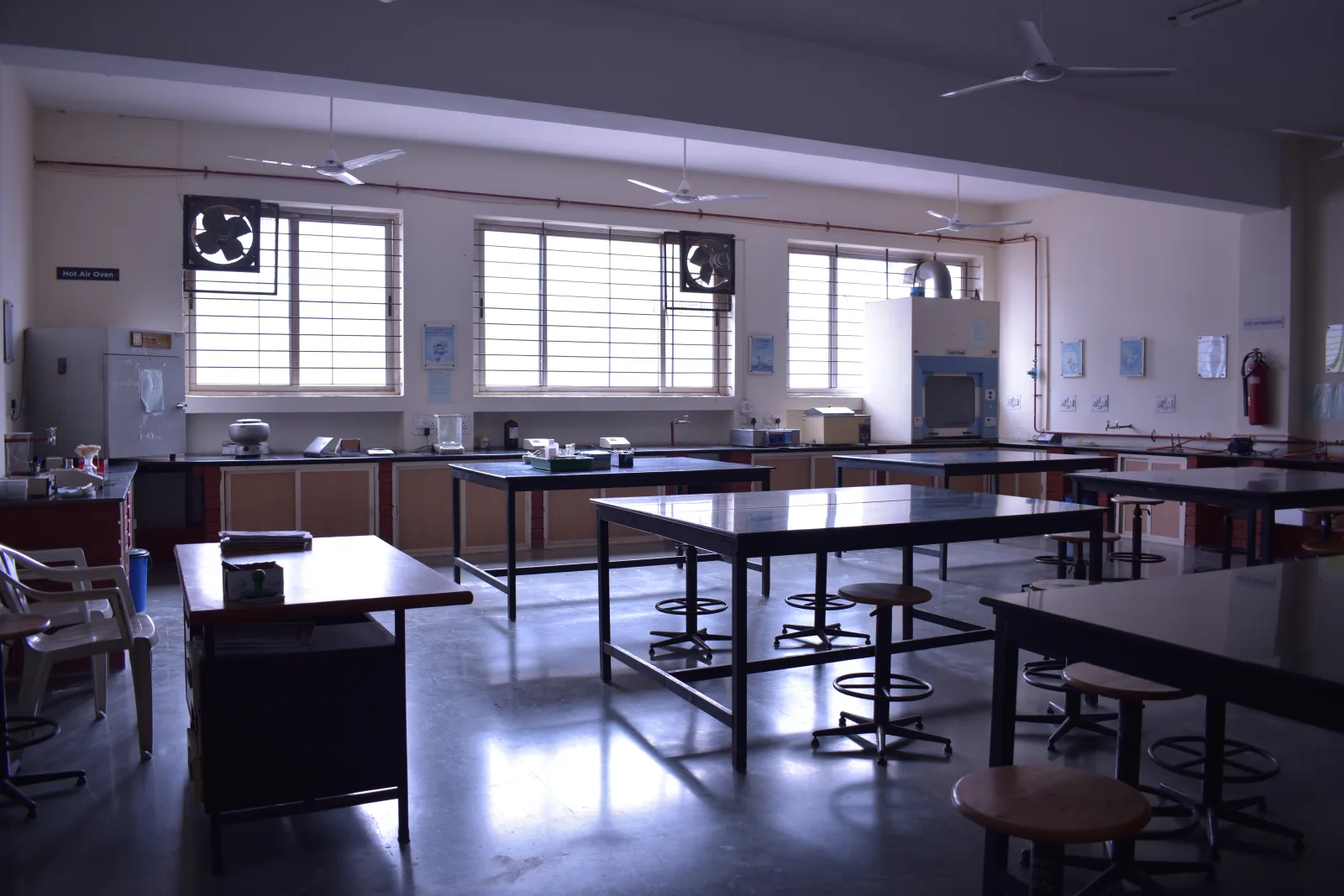
Biochemistry and Immunology Lab
The Biochemistry and Immunology Laboratory is equipped with essential facilities and instruments to support undergraduate and postgraduate teaching, hands-on laboratory training, and project-based research in biochemistry, immunology, and related biomedical sciences. The laboratory provides facilities for biochemical analysis, sample preparation, microscopy, centrifugation, incubation, pH measurement, spectrophotometric analysis, and controlled sample storage. Major equipment includes microscopes, colorimeters, a −20 °C deep freezer, water deionizer unit, pH meter, electronic balance, incubator, hot-air oven, centrifuge, homogenizer, fume hood, and water bath. The laboratory supports practical courses in Biochemistry and Immunology, as well as student project work, enabling students to develop experimental skills, understand fundamental biochemical and immunological principles, and apply laboratory techniques to biomedical and life-science research.
Biochemistry and Immunology Lab
The Biochemistry and Immunology Laboratory is equipped with essential facilities and instruments to support undergraduate and postgraduate teaching, hands-on laboratory training, and project-based research in biochemistry, immunology, and related biomedical sciences. The laboratory provides facilities for biochemical analysis, sample preparation, microscopy, centrifugation, incubation, pH measurement, spectrophotometric analysis, and controlled sample storage. Major equipment includes microscopes, colorimeters, a −20 °C deep freezer, water deionizer unit, pH meter, electronic balance, incubator, hot-air oven, centrifuge, homogenizer, fume hood, and water bath. The laboratory supports practical courses in Biochemistry and Immunology, as well as student project work, enabling students to develop experimental skills, understand fundamental biochemical and immunological principles, and apply laboratory techniques to biomedical and life-science research.
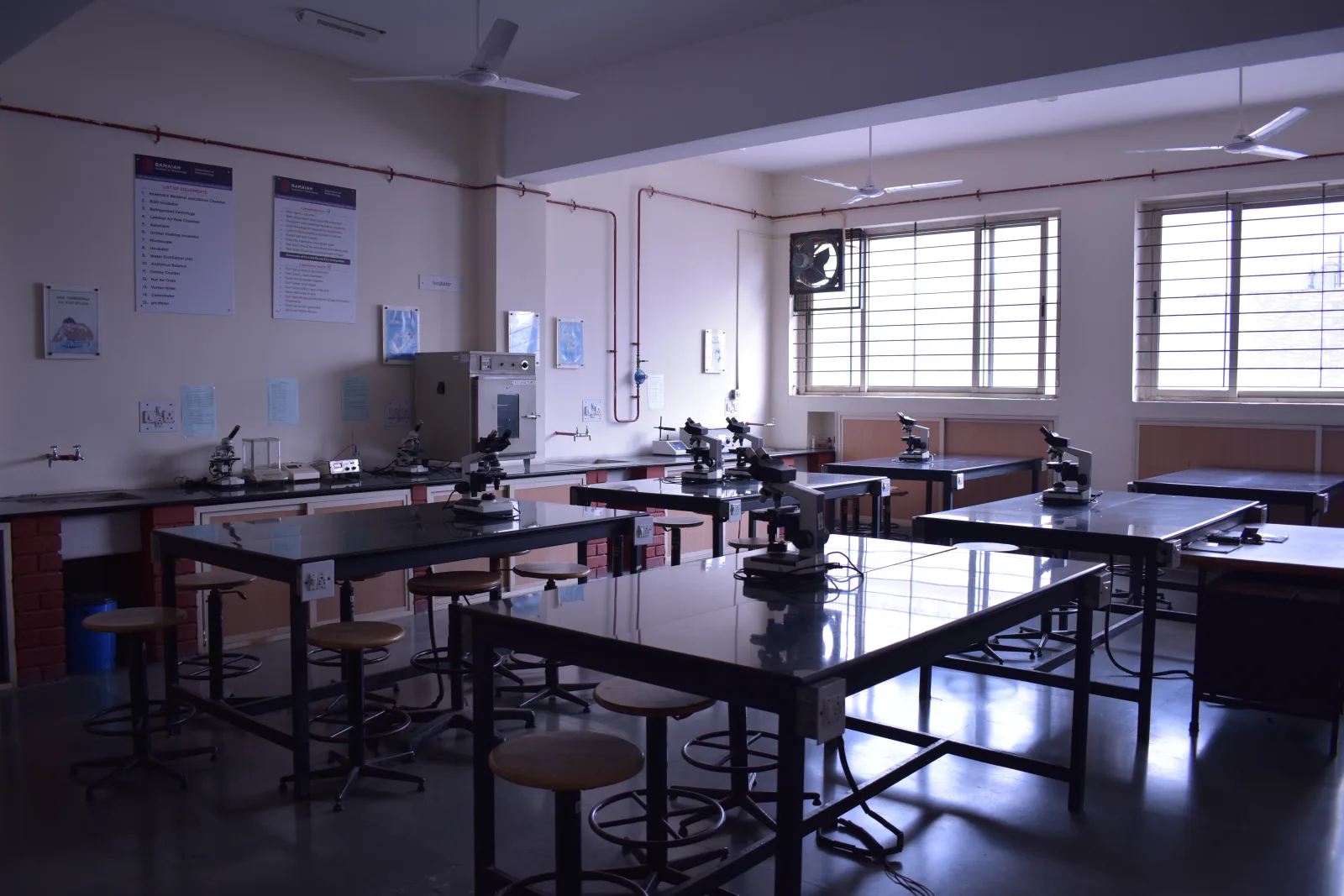
Microbiology Lab
The Microbiology Laboratory is well equipped with essential facilities and instruments to support undergraduate and postgraduate teaching, practical training, and student project work in microbiology and allied biomedical sciences. The laboratory provides facilities for the safe handling, cultivation, observation, isolation, and characterization of microorganisms under controlled laboratory conditions. Major equipment includes Laminar Air Flow (LAF) units, binocular and monocular microscopes, BOD and bacteriological/fungal incubators, centrifuges, colony counter, autoclaves, water distillation units, orbital shaking incubator, cyclomixer, colorimeter, hot-air oven, and anaerobic chamber. These facilities enable students to gain hands-on experience in fundamental microbiological techniques, aseptic practices, microbial cultivation, incubation, sterilization, and basic analytical procedures. The laboratory primarily supports Microbiology courses and student project work, providing a conducive environment for developing practical skills and applying microbiological concepts to biomedical and life-science research.
Microbiology Lab
The Microbiology Laboratory is well equipped with essential facilities and instruments to support undergraduate and postgraduate teaching, practical training, and student project work in microbiology and allied biomedical sciences. The laboratory provides facilities for the safe handling, cultivation, observation, isolation, and characterization of microorganisms under controlled laboratory conditions. Major equipment includes Laminar Air Flow (LAF) units, binocular and monocular microscopes, BOD and bacteriological/fungal incubators, centrifuges, colony counter, autoclaves, water distillation units, orbital shaking incubator, cyclomixer, colorimeter, hot-air oven, and anaerobic chamber. These facilities enable students to gain hands-on experience in fundamental microbiological techniques, aseptic practices, microbial cultivation, incubation, sterilization, and basic analytical procedures. The laboratory primarily supports Microbiology courses and student project work, providing a conducive environment for developing practical skills and applying microbiological concepts to biomedical and life-science research.
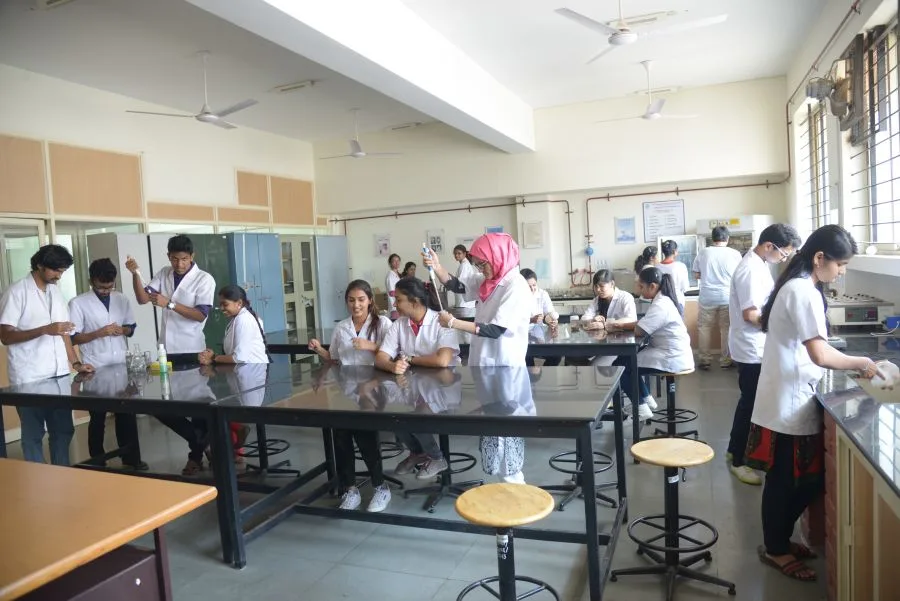
Upstream and Downstream Processing Lab
The Upstream and Downstream Processing Laboratory is equipped with essential facilities and instruments to support practical training and project-based learning in bioprocess technology and related areas. The laboratory provides hands-on exposure to various stages of bioprocessing, including culture preparation, growth and maintenance, process monitoring, product recovery, and basic purification techniques. Major equipment includes a Laminar Air Flow (LAF) unit, muffle furnace, Millipore water purification system, plant tissue culture growth chamber, fume hood, colorimeter, autoclave, hot-air oven, water bath, pH meter, hot plate, and vortex mixer. These facilities enable students to understand and apply the fundamental principles of upstream and downstream processing under controlled laboratory conditions. The laboratory primarily supports practical courses in Upstream Process Technology and Downstream Process Technology, along with student project work, helping students develop essential experimental and bioprocessing skills relevant to biotechnology and biomedical applications.
Upstream and Downstream Processing Lab
The Upstream and Downstream Processing Laboratory is equipped with essential facilities and instruments to support practical training and project-based learning in bioprocess technology and related areas. The laboratory provides hands-on exposure to various stages of bioprocessing, including culture preparation, growth and maintenance, process monitoring, product recovery, and basic purification techniques. Major equipment includes a Laminar Air Flow (LAF) unit, muffle furnace, Millipore water purification system, plant tissue culture growth chamber, fume hood, colorimeter, autoclave, hot-air oven, water bath, pH meter, hot plate, and vortex mixer. These facilities enable students to understand and apply the fundamental principles of upstream and downstream processing under controlled laboratory conditions. The laboratory primarily supports practical courses in Upstream Process Technology and Downstream Process Technology, along with student project work, helping students develop essential experimental and bioprocessing skills relevant to biotechnology and biomedical applications.
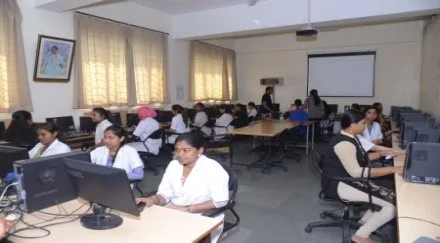
Bioinformatics Lab
The Bioinformatics Laboratory provides a computational environment for hands-on learning, data analysis, and research in bioinformatics, computational biology, and biotechnology. The laboratory is equipped with computer systems, dedicated workstations, and specialized bioinformatics software to support the analysis and interpretation of biological data. The facilities enable students to gain practical experience in sequence analysis, molecular modelling, database-based analysis, data visualization, and other computational approaches used in modern life-science research. The laboratory also supports Bioinformatics, Bioprocess Simulation, and student project work, providing an effective platform for integrating computational tools with biological and bioprocess engineering concepts. These facilities help students develop computational skills and apply bioinformatics and simulation techniques to solve biological and biomedical research problems.
Bioinformatics Lab
The Bioinformatics Laboratory provides a computational environment for hands-on learning, data analysis, and research in bioinformatics, computational biology, and biotechnology. The laboratory is equipped with computer systems, dedicated workstations, and specialized bioinformatics software to support the analysis and interpretation of biological data. The facilities enable students to gain practical experience in sequence analysis, molecular modelling, database-based analysis, data visualization, and other computational approaches used in modern life-science research. The laboratory also supports Bioinformatics, Bioprocess Simulation, and student project work, providing an effective platform for integrating computational tools with biological and bioprocess engineering concepts. These facilities help students develop computational skills and apply bioinformatics and simulation techniques to solve biological and biomedical research problems.
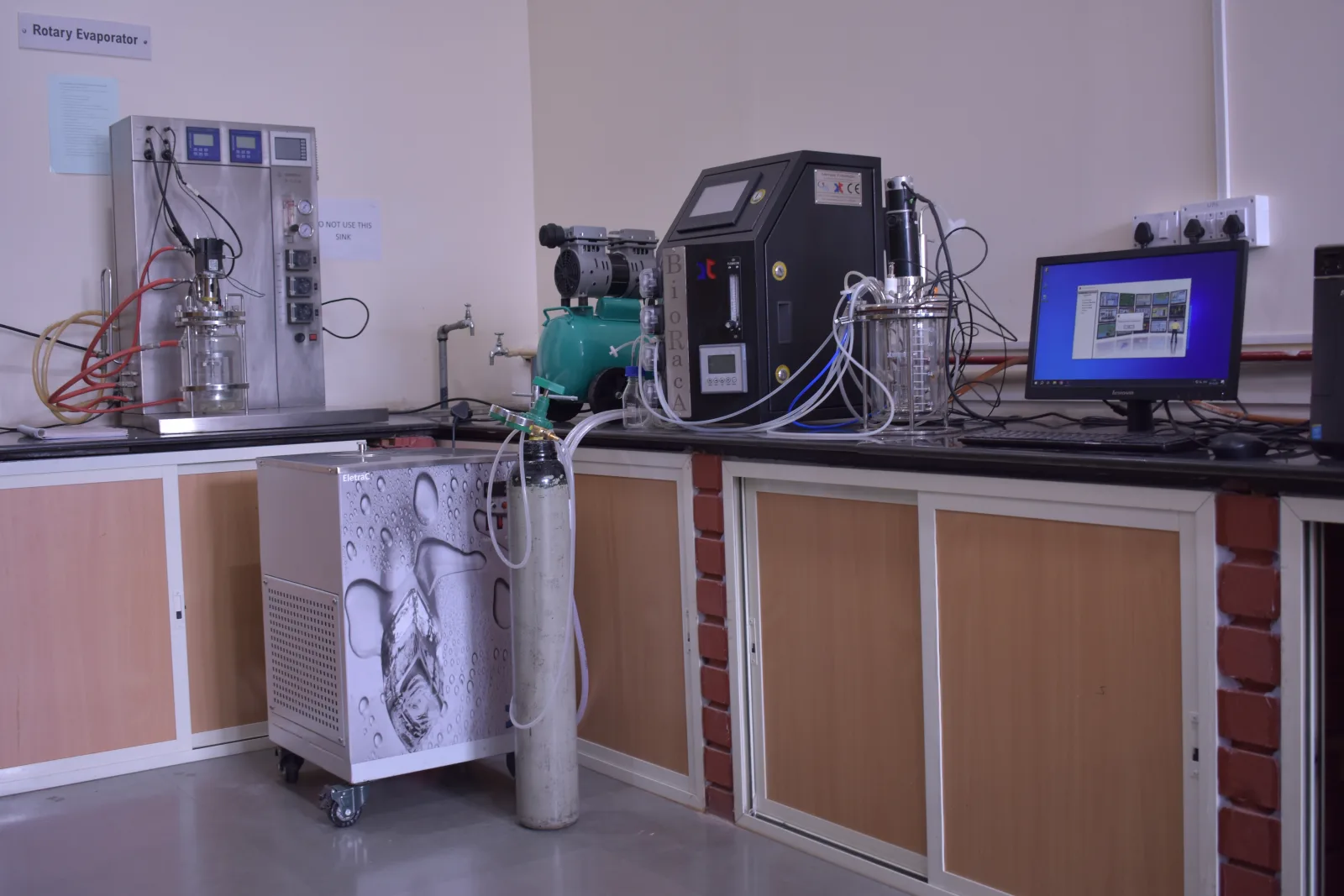
Industrial Biotechnology Lab
The Industrial Biotechnology Laboratory is equipped with modern instruments and facilities to support hands-on training, practical learning, and project-based research in industrial biotechnology and bioprocessing. The laboratory provides facilities for extraction, separation, analytical characterization, and controlled bioprocess operations. Major equipment includes a Soxhlet extraction mantle, bio-spectrophotometer, temperature controller, pH meter, photoelectric colorimeter, rotary evaporator, gel rocker, Remi centrifuge, oil expeller, Remi incubator shaker, and bioreactor/fermentor. These facilities enable students to gain practical experience in bioactive compound extraction, spectrophotometric analysis, aseptic processing, microbial growth, centrifugation, incubation, fermentation, and product recovery. The laboratory provides a conducive environment for Industrial Biotechnology practicals and student project work, facilitating the application of biotechnology principles to industrially relevant processes and biomedical and bioproduct development.
Industrial Biotechnology Lab
The Industrial Biotechnology Laboratory is equipped with modern instruments and facilities to support hands-on training, practical learning, and project-based research in industrial biotechnology and bioprocessing. The laboratory provides facilities for extraction, separation, analytical characterization, and controlled bioprocess operations. Major equipment includes a Soxhlet extraction mantle, bio-spectrophotometer, temperature controller, pH meter, photoelectric colorimeter, rotary evaporator, gel rocker, Remi centrifuge, oil expeller, Remi incubator shaker, and bioreactor/fermentor. These facilities enable students to gain practical experience in bioactive compound extraction, spectrophotometric analysis, aseptic processing, microbial growth, centrifugation, incubation, fermentation, and product recovery. The laboratory provides a conducive environment for Industrial Biotechnology practicals and student project work, facilitating the application of biotechnology principles to industrially relevant processes and biomedical and bioproduct development.
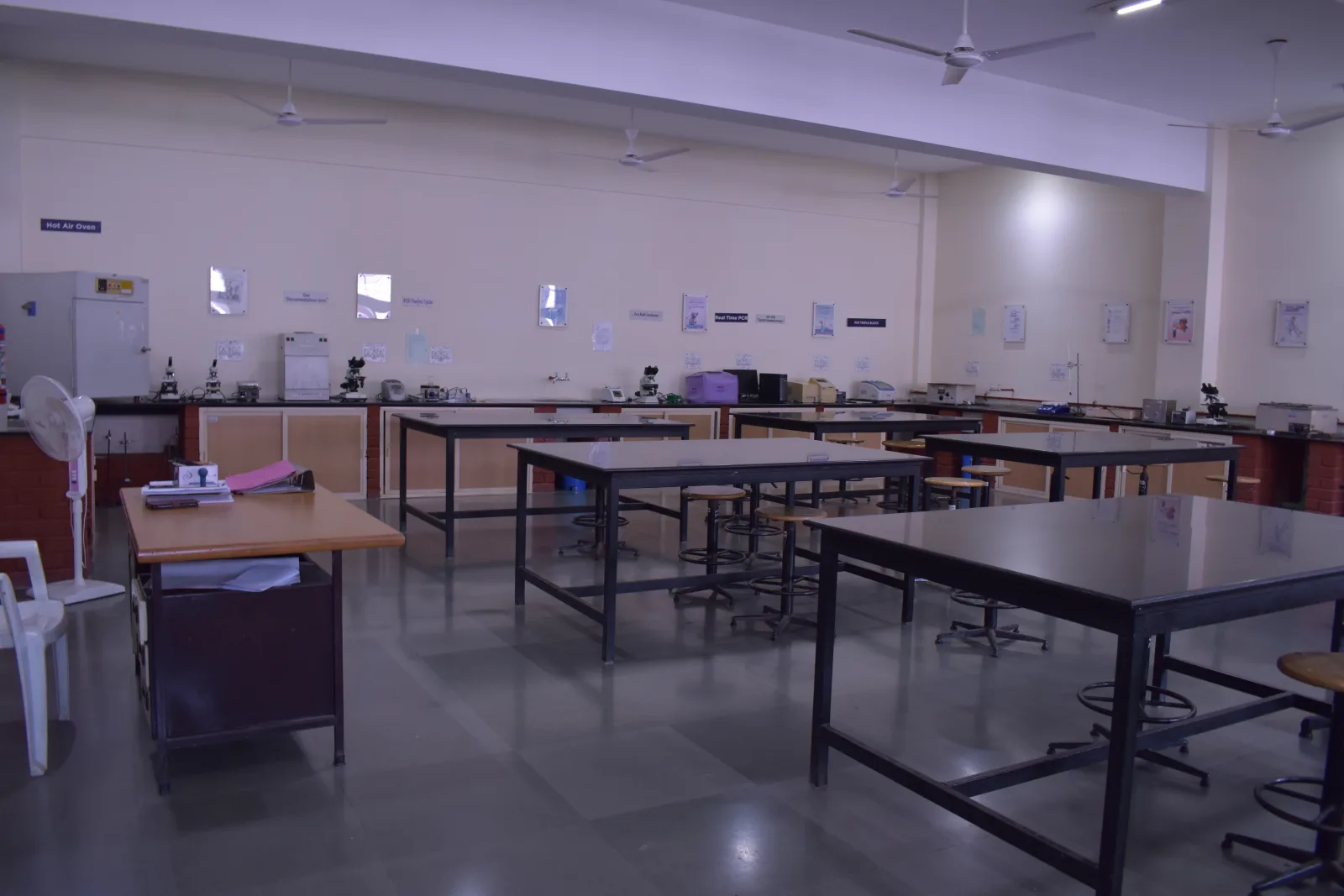
Advanced Molecular Biology Lab
The Advanced Molecular Biology Laboratory is equipped with advanced instruments and facilities to support hands-on training, practical teaching, and research in molecular biology, biotechnology, and biomedical sciences. The laboratory provides facilities for nucleic acid and protein analysis, sample preparation, amplification, separation, visualization, and molecular characterization. Major equipment includes a gel documentation unit, binocular microscope, bio-spectrophotometer, colorimeter, hot-air oven, gel dryer, ultrasonic processor, bioreactor, cooling centrifuge, −20 °C deep freezer, UV transilluminator, microcentrifuge, thermal cycler, electronic balance, lyophilizer, HiMedia PCR triple block, HiMedia RT-PCR system, and tabletop centrifuges. These facilities enable students and researchers to gain practical experience in PCR and RT-PCR, gel electrophoresis and documentation, spectrophotometric analysis, centrifugation, sample processing, molecular amplification, and biomolecular analysis. The laboratory provides a conducive platform for advanced molecular biology practicals, interdisciplinary research, and student project work, supporting applications in biotechnology, biomedical sciences, diagnostics, and related areas.
Advanced Molecular Biology Lab
The Advanced Molecular Biology Laboratory is equipped with advanced instruments and facilities to support hands-on training, practical teaching, and research in molecular biology, biotechnology, and biomedical sciences. The laboratory provides facilities for nucleic acid and protein analysis, sample preparation, amplification, separation, visualization, and molecular characterization. Major equipment includes a gel documentation unit, binocular microscope, bio-spectrophotometer, colorimeter, hot-air oven, gel dryer, ultrasonic processor, bioreactor, cooling centrifuge, −20 °C deep freezer, UV transilluminator, microcentrifuge, thermal cycler, electronic balance, lyophilizer, HiMedia PCR triple block, HiMedia RT-PCR system, and tabletop centrifuges. These facilities enable students and researchers to gain practical experience in PCR and RT-PCR, gel electrophoresis and documentation, spectrophotometric analysis, centrifugation, sample processing, molecular amplification, and biomolecular analysis. The laboratory provides a conducive platform for advanced molecular biology practicals, interdisciplinary research, and student project work, supporting applications in biotechnology, biomedical sciences, diagnostics, and related areas.
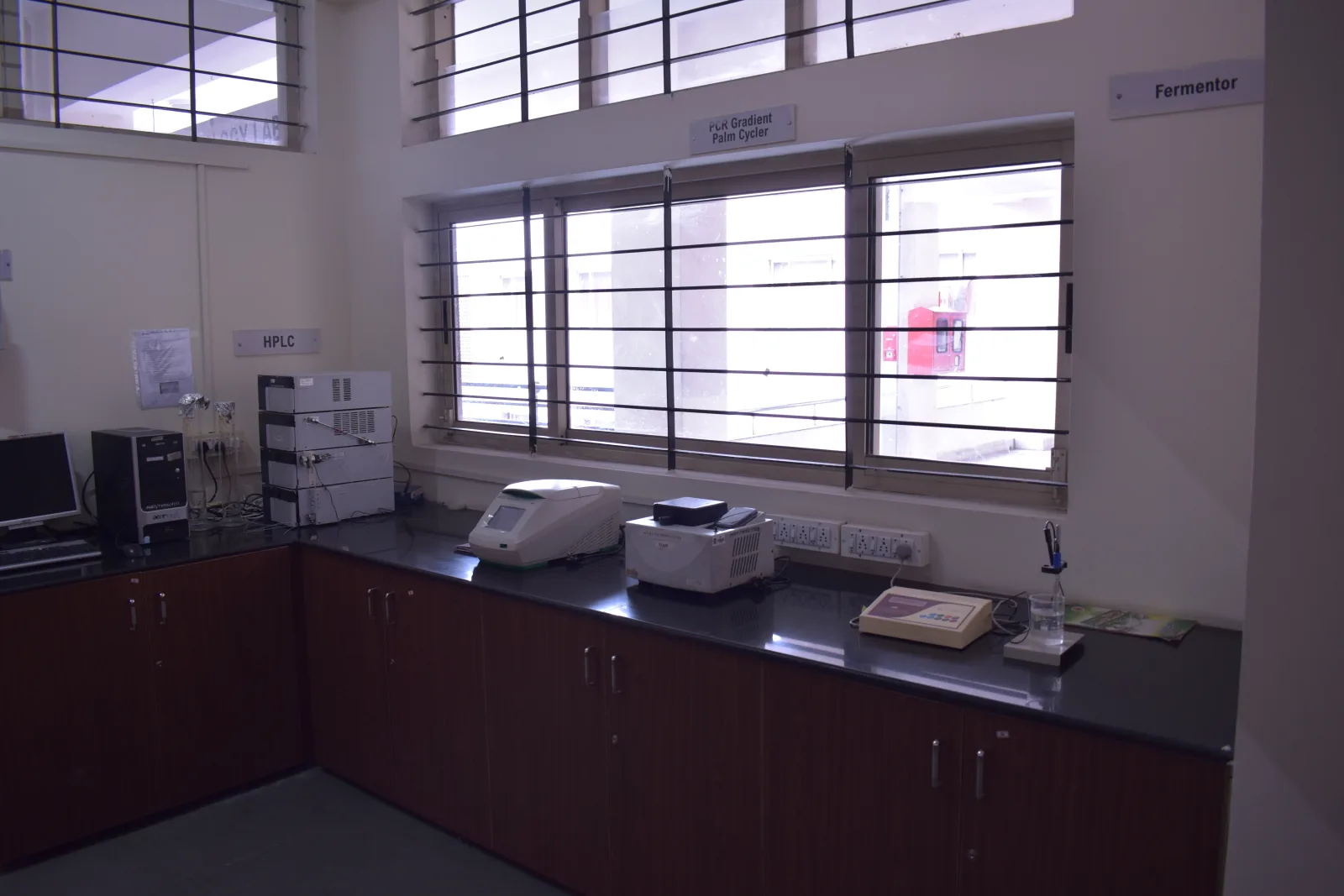
Instrumentation & Analysis Lab (R & D Lab - 1)
The Instrumentation & Analysis Laboratory (R&D Lab – 1) is a specialized facility designed to support advanced analytical characterization, bioprocess development, and molecular biology research. The laboratory is equipped with sophisticated instruments including High-Performance Liquid Chromatography (HPLC), fermentor, flash chromatography system, UV–Visible spectrophotometer, pH meter, analytical balance, PCR gradient cycler, and multimode microplate reader. These facilities enable researchers and students to perform accurate quantitative and qualitative analysis of biomolecules, separation and purification of bioactive compounds, spectrophotometric measurements, controlled fermentation studies, molecular amplification, and microplate-based biochemical and biological assays. The laboratory provides a strong platform for research and development, student project work, analytical method development, bioprocess optimization, and advanced biomedical and biotechnology research, supporting interdisciplinary investigations and the characterization of biological and bioactive materials.
Instrumentation & Analysis Lab (R & D Lab - 1)
The Instrumentation & Analysis Laboratory (R&D Lab – 1) is a specialized facility designed to support advanced analytical characterization, bioprocess development, and molecular biology research. The laboratory is equipped with sophisticated instruments including High-Performance Liquid Chromatography (HPLC), fermentor, flash chromatography system, UV–Visible spectrophotometer, pH meter, analytical balance, PCR gradient cycler, and multimode microplate reader. These facilities enable researchers and students to perform accurate quantitative and qualitative analysis of biomolecules, separation and purification of bioactive compounds, spectrophotometric measurements, controlled fermentation studies, molecular amplification, and microplate-based biochemical and biological assays. The laboratory provides a strong platform for research and development, student project work, analytical method development, bioprocess optimization, and advanced biomedical and biotechnology research, supporting interdisciplinary investigations and the characterization of biological and bioactive materials.
Animal Cell Culture Lab (R & D Lab - 2)
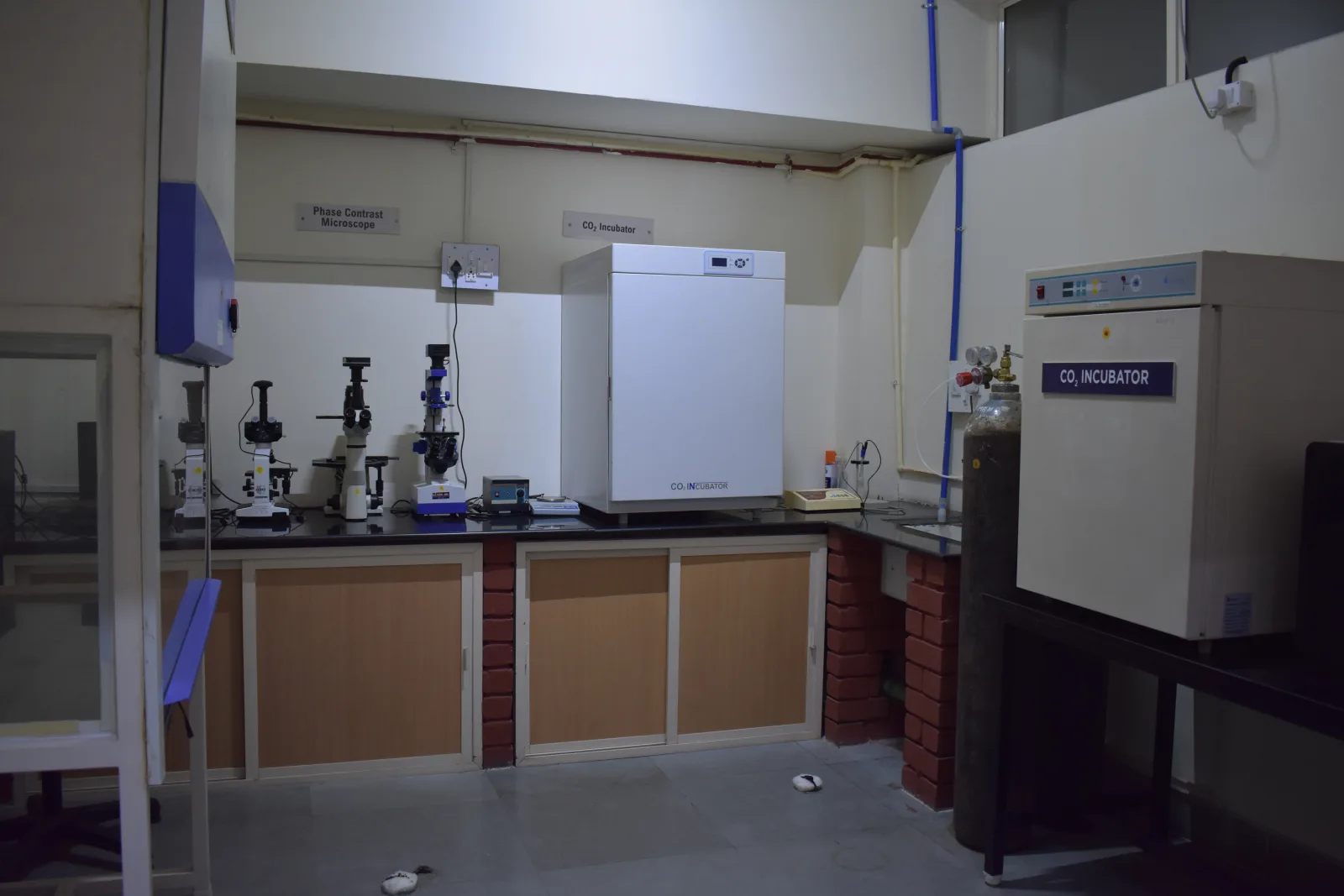
The Animal Cell Culture Laboratory (R&D Lab – 2) is a specialized research facility designed to support advanced studies in animal cell culture, cell biology, and biomedical research. The laboratory is equipped with essential facilities including a digital trinocular microscope, cell culture hood, CO₂ incubator, CO₂ cylinder, ambient-temperature incubator, gel shaker, Milli-Q water prefiltration and purification unit, phase-contrast microscopy facility, and refrigerated centrifuge. These facilities provide a controlled and sterile environment for cell culture maintenance, microscopic observation, sample preparation, and routine cell-based experimental studies. The laboratory supports research and development activities, student project work, cell-based assays, and interdisciplinary biomedical research, enabling researchers and students to develop practical expertise in animal cell culture techniques and investigate cellular responses relevant to biotechnology, biomedical engineering, drug discovery, and related life-science applications.
Animal Cell Culture Lab (R & D Lab - 2)
The Animal Cell Culture Laboratory (R&D Lab – 2) is a specialized research facility designed to support advanced studies in animal cell culture, cell biology, and biomedical research. The laboratory is equipped with essential facilities including a digital trinocular microscope, cell culture hood, CO₂ incubator, CO₂ cylinder, ambient-temperature incubator, gel shaker, Milli-Q water prefiltration and purification unit, phase-contrast microscopy facility, and refrigerated centrifuge. These facilities provide a controlled and sterile environment for cell culture maintenance, microscopic observation, sample preparation, and routine cell-based experimental studies. The laboratory supports research and development activities, student project work, cell-based assays, and interdisciplinary biomedical research, enabling researchers and students to develop practical expertise in animal cell culture techniques and investigate cellular responses relevant to biotechnology, biomedical engineering, drug discovery, and related life-science applications.
Plant Tissue Culture Lab
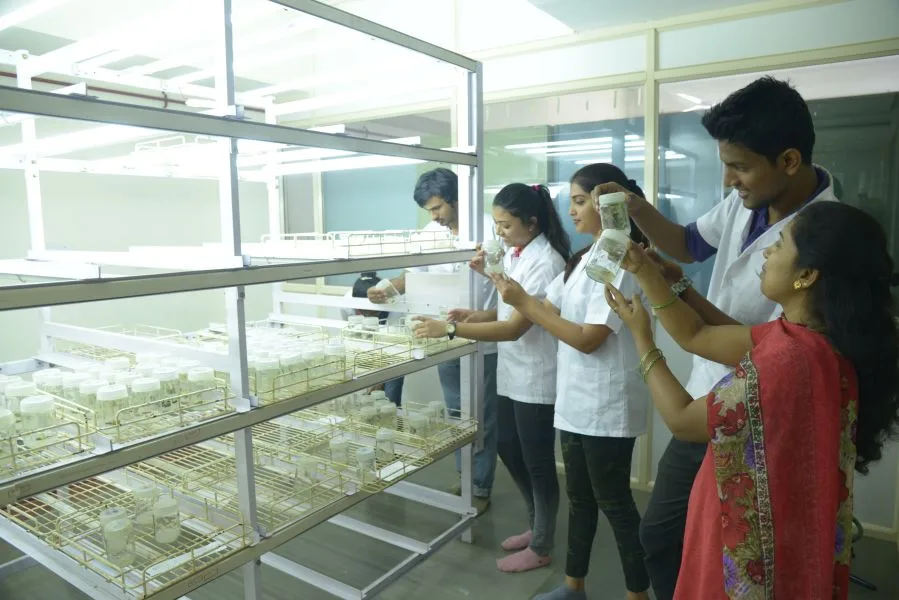
The Plant Tissue Culture Laboratory is designed to support practical training and research in plant biotechnology, tissue culture, and related areas of biological sciences. The laboratory is equipped with essential facilities including a Laminar Air Flow (LAF) unit, plant tissue culture growth chamber, fume hood, autoclave, water bath, and vortex mixer, providing a controlled and aseptic environment for plant tissue culture activities. These facilities enable students and researchers to gain hands-on experience in aseptic handling, sterilization, media preparation, culture initiation, and controlled growth of plant tissues under suitable environmental conditions. The laboratory supports plant tissue culture practicals, research and development activities, and student project work, providing a suitable platform for applications in plant biotechnology, propagation, conservation, and the development of value-added plant-based products.
Plant Tissue Culture Lab
The Plant Tissue Culture Laboratory is designed to support practical training and research in plant biotechnology, tissue culture, and related areas of biological sciences. The laboratory is equipped with essential facilities including a Laminar Air Flow (LAF) unit, plant tissue culture growth chamber, fume hood, autoclave, water bath, and vortex mixer, providing a controlled and aseptic environment for plant tissue culture activities. These facilities enable students and researchers to gain hands-on experience in aseptic handling, sterilization, media preparation, culture initiation, and controlled growth of plant tissues under suitable environmental conditions. The laboratory supports plant tissue culture practicals, research and development activities, and student project work, providing a suitable platform for applications in plant biotechnology, propagation, conservation, and the development of value-added plant-based products.
Top Recruiters & Industry Collaboration
Top Recruiters









Industry Partners / Collaborations
Iom Bioworks
The collaboration with IOM Bioworks Pvt. Ltd. aims to strengthen industry–academia interaction and enhance students’ practical skills and employability in the fields of biotechnology, bioprocessing, bioinformatics, and related biomedical sciences. The collaboration facilitates placement opportunities, hands-on workshops, internships, Faculty Development Programmes (FDPs), industrial training, skill-development programmes, and other academic and professional activities. Through hands-on workshops and industry-oriented training, students gain exposure to current technologies, laboratory practices, and real-world industrial applications, while internships provide opportunities to acquire practical experience in a professional environment. FDPs and faculty-oriented programmes help enhance the technical knowledge and professional competencies of faculty members. The collaboration also promotes knowledge exchange, industry-relevant curriculum enhancement, joint training initiatives, and career development, thereby creating a strong platform for preparing students and faculty to meet the evolving requirements of the biotechnology and life-science industries.

Merck Life Science
The collaboration with Merck Life Science Pvt. Ltd. is aimed at fostering meaningful industry–academia engagement and providing students and faculty with exposure to advanced technologies, laboratory practices, and emerging developments in life sciences. The collaboration supports hands-on workshops, internships, industrial training, Faculty Development Programmes (FDPs), technical training, placement and career-oriented activities, and knowledge-sharing programmes. Students benefit from practical exposure to modern laboratory techniques, analytical tools, and industry-relevant applications, while faculty members can enhance their technical expertise through specialized training and professional development initiatives. The collaboration also facilitates interaction with industry professionals, promotes awareness of current industrial practices, and encourages the integration of industry requirements into academic and research activities. Overall, the association provides a valuable platform for skill enhancement, experiential learning, employability development, faculty upskilling, and strengthening industry-oriented education and research.
Placements
Research Areas
Achievements
- 2002 B.E. Biotechnology program started under Visvesvaraya Technological University (VTU), Belgaum, with an intake of 30 students.
- 2006 Student intake increased from 30 to 60.
- 2007 Autonomous under VTU.
- 2008 Recognized R&D centre offering PhD / M.Sc. (Engg.) in Biotechnology under VTU.
- 2009 NBA Accredited B.E-Biotechnology Programme for three years: (June 2010 - 2013)
- 2011 Outcome Based Education is implemented.
- 2012 M. Tech in Biotechnology program started under autonomous scheme, with an intake of 18 students.
- 2016 NBA Accredited B.E-Biotechnology Programme for three years: (June 2016 - 2019)
- 2018 PG Diploma in Biopharmaceutical Technology started. This Program is supported by the Department of IT & BT, Government of Karnataka.
- 2019 NBA Accredited B.E-Biotechnology Programme for three years (June 2019-2022)
- 2019 NBA Accredited M.Tech.- Biotechnology Programme for three years (June 2019-2022)
- 2022 NBA Accredited B.E-Biotechnology Programme for three years (June 2022-2025)
- 2024 NBA Accredited M.Tech.- Biotechnology Programme for three years (June 2024-2027)
- 2025 NBA Accredited B.E-Biotechnology Programme for three years (June 2025-2028)
Department Clubs
Click a club to view its details, milestones, and team.
Board of Studies
View the members of the Board of Studies for this department.
View Members